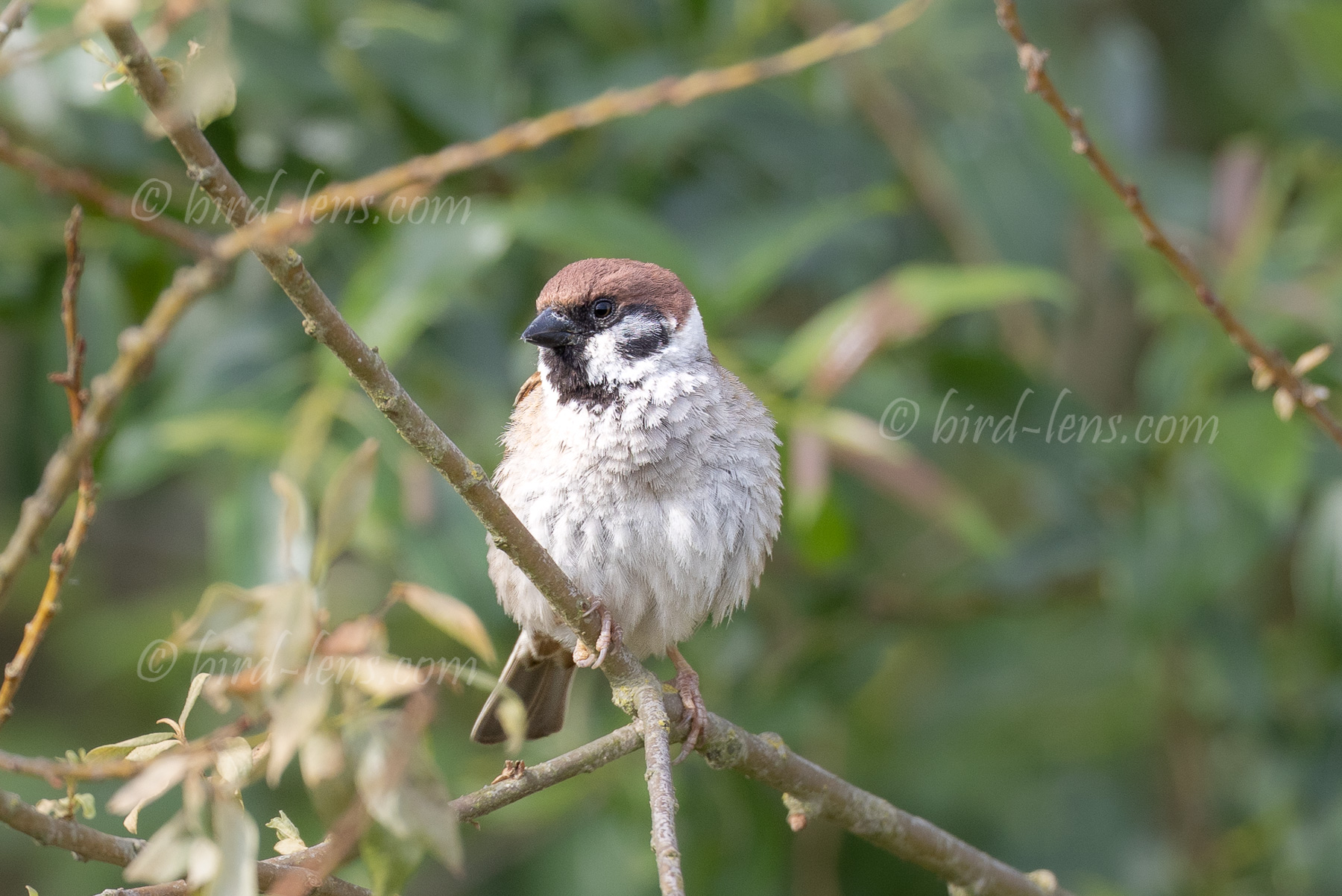
 In the past, it was simply part of the scenery. Anyone walking along village streets, passing by barns, or traveling through the countryside would hear the lively chirping of small sparrow flocks almost everywhere. Amidst hedges, fruit trees, and stables, the Eurasian Tree Sparrow (Passer montanus) was a familiar companion of daily life. Today, however, many bird enthusiasts report a striking change: where dozens of birds once roamed, silence often prevails. The question of where the Eurasian Tree Sparrows have vanished to now occupies not only nature observers but also the scientific community and conservationists.
The decline in the Eurasian Tree Sparrow population has become one of the most conspicuous developments within Germany’s avian landscape. Numerous regions—particularly in northern, western, and eastern Germany—are affected. In areas where the species was considered a characteristic bird of the agricultural landscape for decades, entire populations are now often missing. Current monitoring data reveal that populations in some regions have plummeted by as much as half since 2020. A distinct downward trend has also been recorded across Europe for decades.
The causes are complex and likely multifactorial. Previous studies have already indicated that neither harsh winters, nor predation, nor disease can—on their own—explain these dramatic declines. Instead, the progressive intensification of agriculture is taking center stage in scientific analyses. With the loss of fallow lands, field margins, hedges, and extensively managed areas, vital food sources and nesting sites are vanishing. Simultaneously, the use of herbicides and other agrochemicals significantly reduces the availability of wild plants and insects. Insects are, in particular, indispensable to Eurasian Tree Sparrows during the rearing of their young.
The current situation in Brandenburg is particularly noteworthy. To date, this federal state remains one of the regions where the Eurasian Tree Sparrow is still found comparatively more frequently than in many western German states. Nevertheless, analyses of bird monitoring data reveal declining trends here as well. Experts have observed that populations have ceased to be stable for several years now. Evidence of the species’ presence is diminishing particularly in intensively managed agricultural landscapes characterized by low structural diversity. While Brandenburg thus continues to serve as an important refuge for the species, it is by no means exempt from the general negative trends affecting it.
For the avifauna as a whole, the Eurasian Tree Sparrow holds far greater significance than its unassuming appearance might suggest. As a characteristic inhabitant of traditional cultural landscapes, it serves as an indicator species for the ecological quality of agriculturally dominated habitats. Its presence signals the existence of structurally rich landscapes offering sufficient food, nesting opportunities, and refuges. When the Eurasian Tree Sparrow declines, this frequently impacts other species of the agricultural landscape as well—such as the Grey Partridge (Perdix perdix), Corn Bunting (Emberiza calandra), or Yellowhammer (Emberiza citrinella). Its fate therefore stands as a proxy for the changes currently unfolding across many open-land ecosystems.
The crucial question, therefore, is how this trend can be reversed. From a nature conservation perspective, several promising approaches exist. These include the restoration of species-rich field margins, the establishment of fallow land, the preservation of hedgerows and traditional orchards, and a reduction in pesticide use. Providing sufficient nesting opportunities is equally important. Since natural tree cavities are lacking in many areas, the installation of suitable nest boxes can help support local populations. Simultaneously, insect populations must be fostered to ensure that young birds have access to adequate food. Only through a combination of these measures can habitats be created that ensure the long-term survival of the Eurasian Tree Sparrow.
The Eurasian Tree Sparrow is not vanishing overnight. Its decline is a gradual process and, as a result, often goes unnoticed. Precisely for this reason, this species deserves special attention. Its disappearance represents not merely the loss of a single bird, but a warning signal regarding the state of our cultural landscapes. Whether this characteristic flocking bird will once again become a more frequent sight in the future depends crucially on the consistency with which nature conservation, agriculture, and society act together.
In order to meet the growing demand for top images of the rarer species of Palaearctic Bird-lens.com has specifically made trips not only to remote places. Additionally every chance is used, if a rare bird is around the homeground. This to do everything to ensure excellent photos of the Birds of the Western Palearctic. The yield of pictures also of rare Western Palaearctic birds is very good. There are other nice images of birds, that you will find behind the tab “Picture Shop“. Just give a notice if you need a picture of a bird which is not online.