I am standing in a patch of late-afternoon light, camera ready, when a flash of green lands just meters away. A Versicolored Emerald (Amazilia versicolor) perches boldly on a branch, turning ever so slightly as it preens, giving me perfect angles for a photo. Then, from somewhere deeper in the bushes, another sound rises—clear, deliberate, and impossible to ignore.
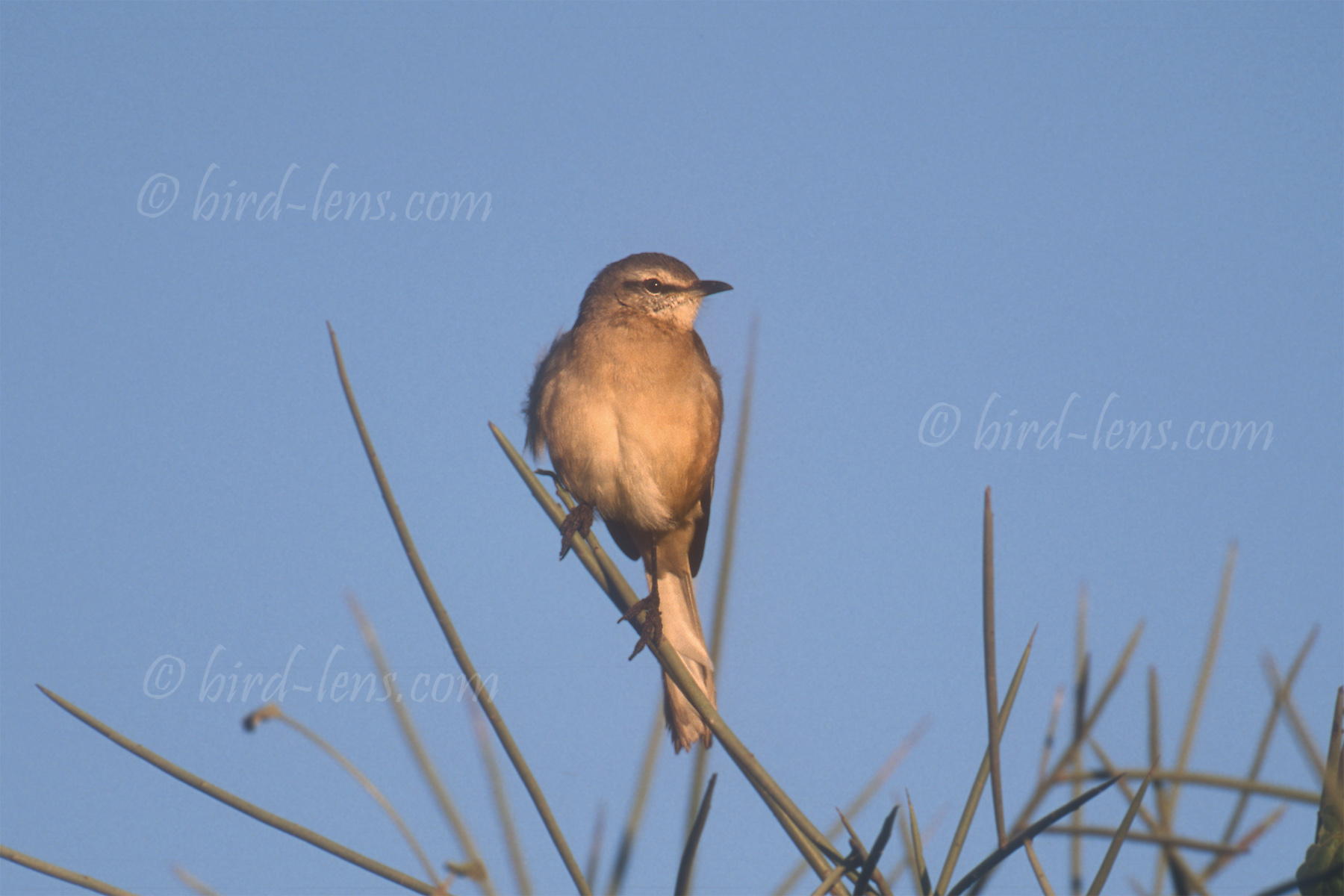
The source is a White-banded Mockingbird (Mimus triurus), perched midway up a dense shrub. It sings with the confidence of an orchestra conductor, weaving borrowed phrases into a seamless performance. Around us, the normal chorus of the Yellow Finch (Sicalis flaveola), Hooded Siskin (Spinus magellanicus), and Rufous-browed Peppershrike (Cyclarhis gujanensis) fades. Even the raucous chatter of Shiny Cowbirds (Molothrus bonariensis) halts, as though the whole hedgerow has agreed to cede the stage.
Each note is precise, yet fluid—trills rolling into liquid sequences, phrases bending upward into ringing tones. What the mockingbird does is not mere imitation; it transforms the calls of its neighbors into something elevated. In this moment, the bird is both a mirror and a composer, rearranging the local soundscape into an intricate piece of music.
The White-banded Mockingbird is found in open and semi-open habitats of southern South America, from southeastern Brazil and Bolivia down through Paraguay, Uruguay, and northern and central Argentina. In some areas, it is a seasonal visitor, moving northward during the austral winter. Its preferred perches are often conspicuous ones—tops of shrubs, fence posts, or isolated trees—where it can broadcast its song across wide spaces.
Behaviorally, this species is both territorial and opportunistic. Singing males often occupy prominent positions and may defend their patch with vocal displays alone. They are gifted mimics, capable of reproducing the songs of multiple species within minutes, but their performances tend to be more structured than chaotic. Feeding mostly on insects and small fruits, they forage in low vegetation or on the ground, sometimes sallying out to catch prey mid-air.
Unlike some relatives, the White-banded Mockingbird is not shy. It will tolerate a human observer within reasonable distance, provided there is no sudden movement. The bird’s white breast band—a clean arc between its darker upperparts and paler belly—makes it unmistakable even at a glance. Its strong, clear voice, however, will often betray its presence before it is seen.
Standing there, I realize the bush is no longer just a bush—it is a stage. The audience is still, the orchestra silent, and in the center is one singer, every note deliberate, every phrase a quiet claim to mastery.
In order to meet the growing demand for top images of the rarer species of Palaearctic Bird-lens.com has specifically made trips to remote places. Additionally every chance is used, if a rare bird is around the homeground. This to do everything to ensure excellent photos of the Birds of the Western Palearctic. The yield of pictures also of rare Western Palaearctic birds is very good. There are other nice images of birds, that you will find behind the tab “Picture Shop“. Just give a notice if you need a picture of a bird which is not online.